
Spring is finally here — and for RV owners, that means one thing: it’s time to hit the road again. After months of winter storage, the itch to get back outside is real. But before you hitch up and head out, a little preparation goes a long way toward making sure your season starts smoothly instead of with a surprise repair bill.
These seven RV travel tips are built for the start of camping season — covering everything from post-winter inspections to finding your next favorite destination. Whether this is your first spring with an RV or your fifteenth, there’s something here to help you roll out with confidence.

1. Inspect Your RV After Winter Storage
Even a properly winterized RV can take a beating over a few months of sitting still. Cold temps, moisture, UV exposure, and pests all have a way of finding their way into the nooks your pre-season checklist might miss.
Before your first trip of the year, walk your entire rig and give it a thorough once-over. Here are the areas that tend to need the most attention after winter:
| Inspection Area | What to Look For | Why It Matters |
|---|---|---|
| Roof seals & vents | Cracks, lifting, or separation | Water intrusion is the #1 cause of expensive RV damage |
| Tires | Flat spots, sidewall cracks, low pressure | Cold temps accelerate dry rot; under-inflated tires blow out |
| Batteries | Charge level, terminal corrosion | Batteries self-discharge over winter and may need replacement |
| Exterior seams | Gaps, bubbling, or discoloration | Early detection prevents full-blown water damage |
| Slide-out seals | Tears, stiffness, debris buildup | Damaged seals let in water and drafts |
| Underbelly | Pest nests, moisture, insulation damage | Rodents love a warm, quiet RV in winter |
One of the most valuable RV travel tips we can offer is this: if anything looks questionable, get it looked at before your trip rather than discovering the problem at a campground two hours from home. The RV Depot Supercenter service team in Cleburne is available to help you get your rig road-ready if the checklist turns up something that needs professional attention.
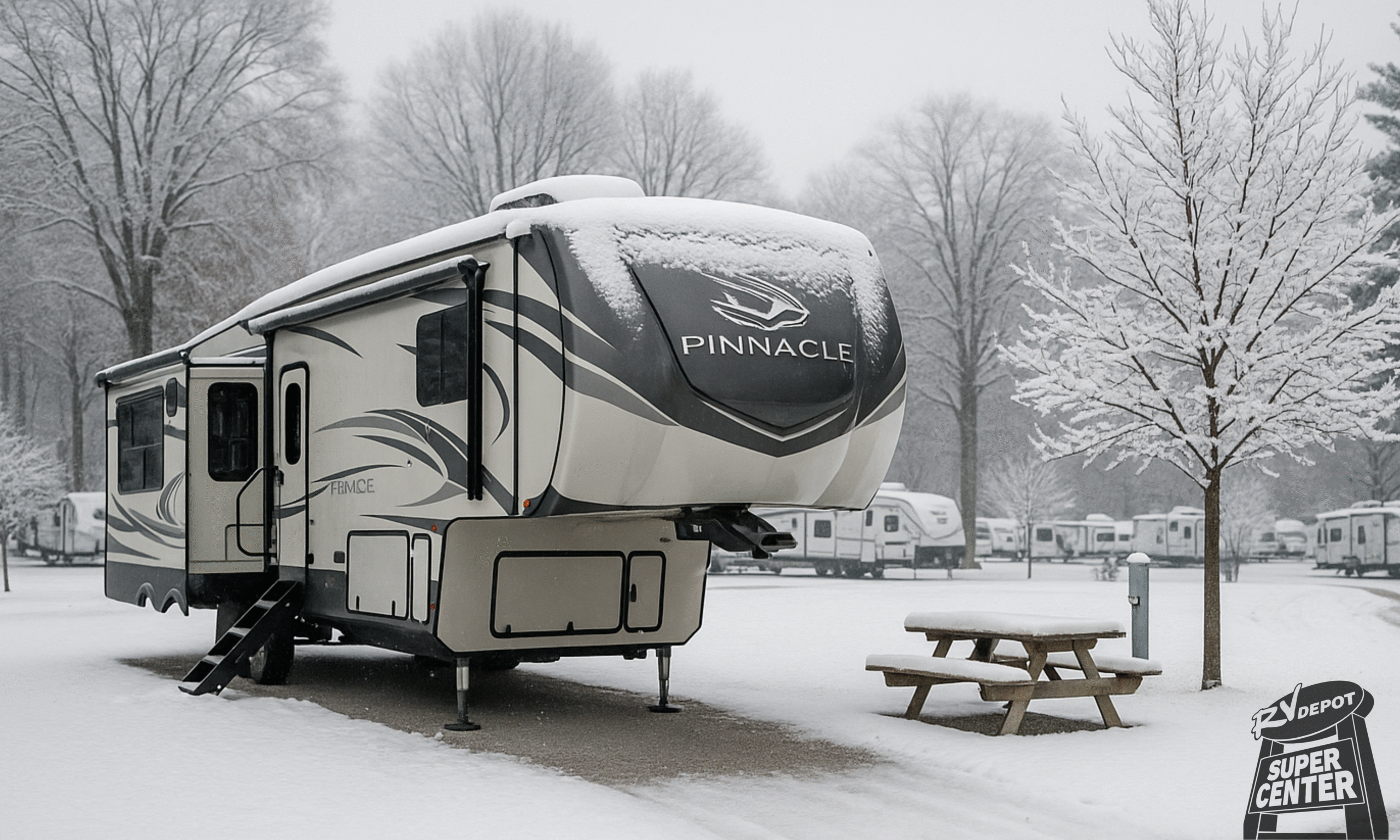
2. De-Winterize Your Water System the Right Way
If you ran antifreeze through your plumbing last fall, getting that system cleaned out is one of the most important steps before you use your RV for the season. RV antifreeze is non-toxic, but you still don’t want it sitting in your water lines when you’re trying to make coffee or brush your teeth.
Step-by-step de-winterization:
- Reinstall any bypass valves you switched during winterization
- Replace water filter cartridges if you removed them for winter
- Connect to fresh water and run every faucet — hot and cold — until the pink antifreeze is completely flushed
- Sanitize your freshwater tank with a diluted bleach solution (roughly ¼ cup per 15 gallons), let it sit for a few hours, then flush completely
- Check all connections and drain valves for drips or leaks once water pressure is restored
- Test your water heater — make sure the bypass valve is returned to normal before you fire it up
Taking the time to sanitize the tank matters more than most people realize. A tank that sat dry or with stagnant water all winter can harbor bacteria that affect taste and safety. A clean system means clean water all season long.
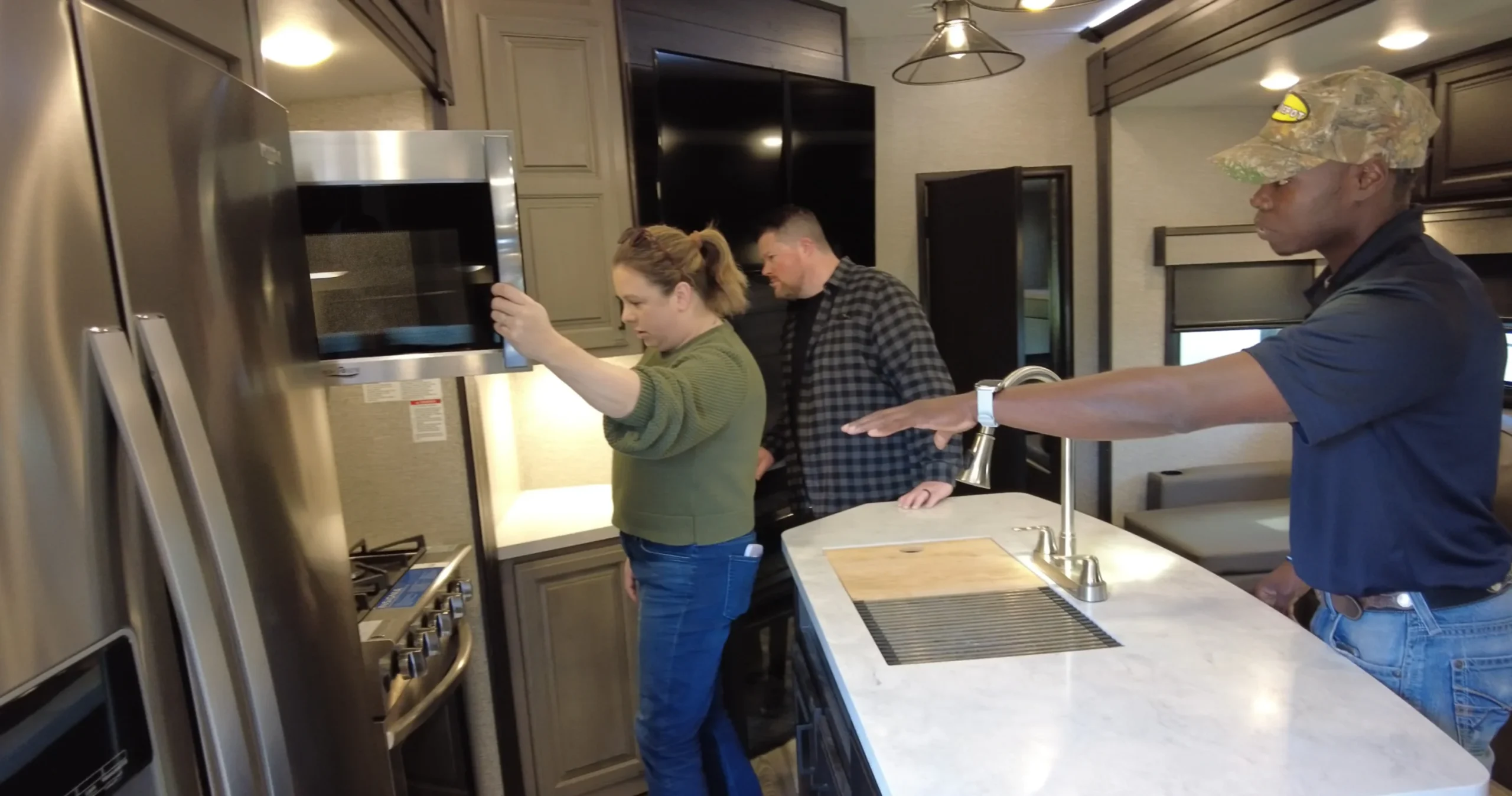
3. Test All Appliances Before You Leave the Driveway
Here’s a simple rule that experienced RVers swear by: never drive away without testing everything first. It takes maybe 30 minutes and can save you from a miserable weekend.
Work through this checklist in your driveway or on a short shakedown run close to home:
- Refrigerator — Run on both shore power and propane; confirm it reaches temp within a few hours
- Air conditioner — Run it at full blast and check for cooling performance and unusual noise
- Furnace — Yes, even in spring; furnaces can develop issues over winter and you’ll want heat on cool nights
- Water heater — Test on both electric and propane if your unit supports both
- Stove and oven — Check all burners and verify the igniter works properly
- Slideouts — Extend and retract all slides, watching for hesitation or grinding
- Leveling system — Test manual or auto-leveling and make sure jacks retract fully
- Exterior lights — Running lights, brake lights, turn signals, and interior lighting
A small problem caught at home is a quick fix. The same problem discovered at your campsite can turn a relaxing trip into a stressful one. Following these RV travel tips before you leave the driveway is the easiest way to make sure you’re spending your weekend around the campfire — not on the phone with a repair shop.
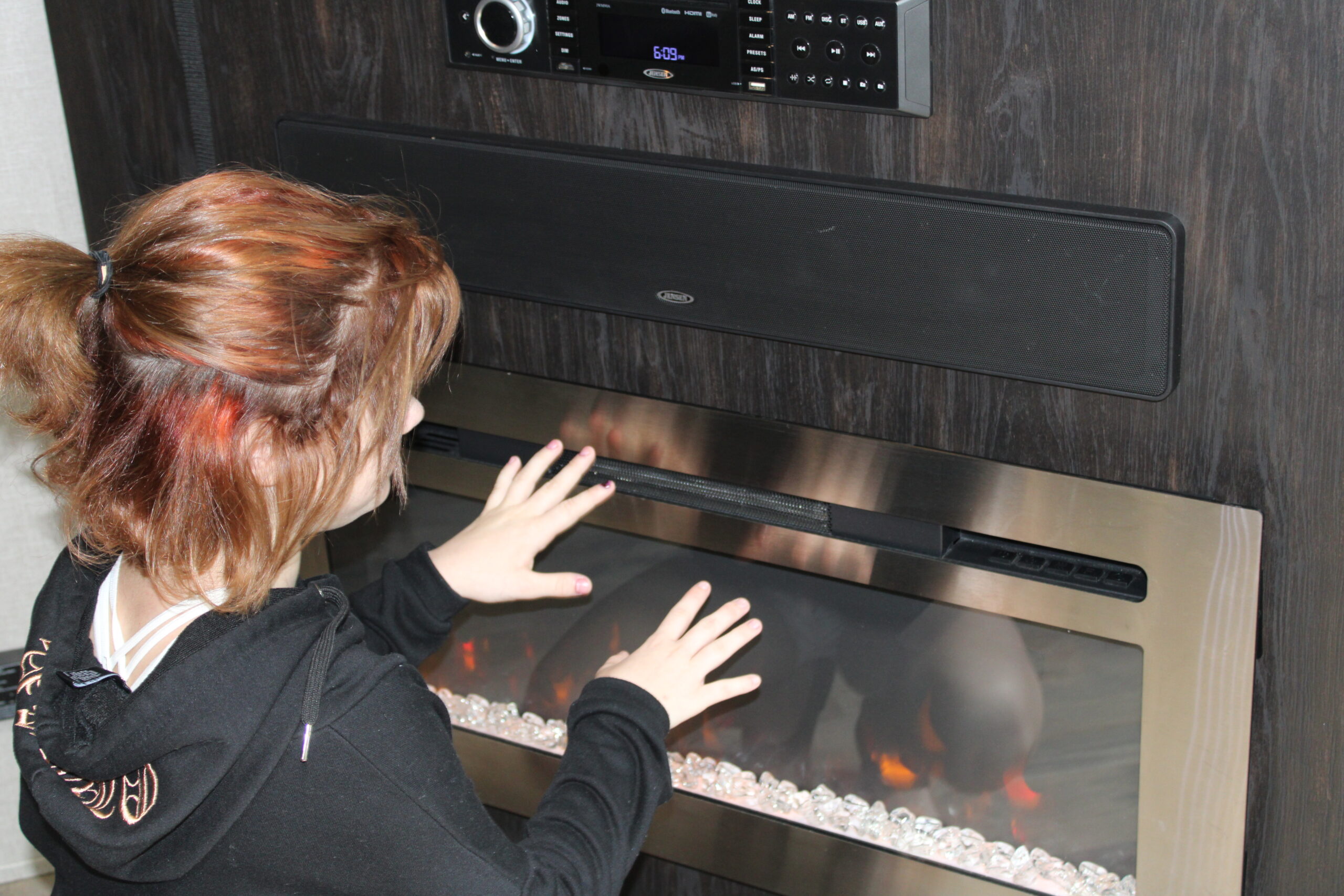
4. RV Travel Tips: Refresh Your RV Supplies and Storage Before
Winter has a way of depleting, expiring, or simply scattering your RV supplies. Spring is the perfect time to restock, reorganize, and upgrade.
Consumables to replace or check:
- Propane tanks (weigh or visually check fill level)
- First aid kit (replace expired medications and used supplies)
- Fire extinguisher (check pressure gauge)
- Smoke and CO detector batteries
- Water filter cartridges
Gear worth refreshing or upgrading:
- Fresh water hose (replace if cracked or discolored)
- Sewer hose and connectors (inspect for cracks; replace every 2–3 years)
- Leveling blocks and chocks
- Outdoor mat, chairs, and camp kitchen gear
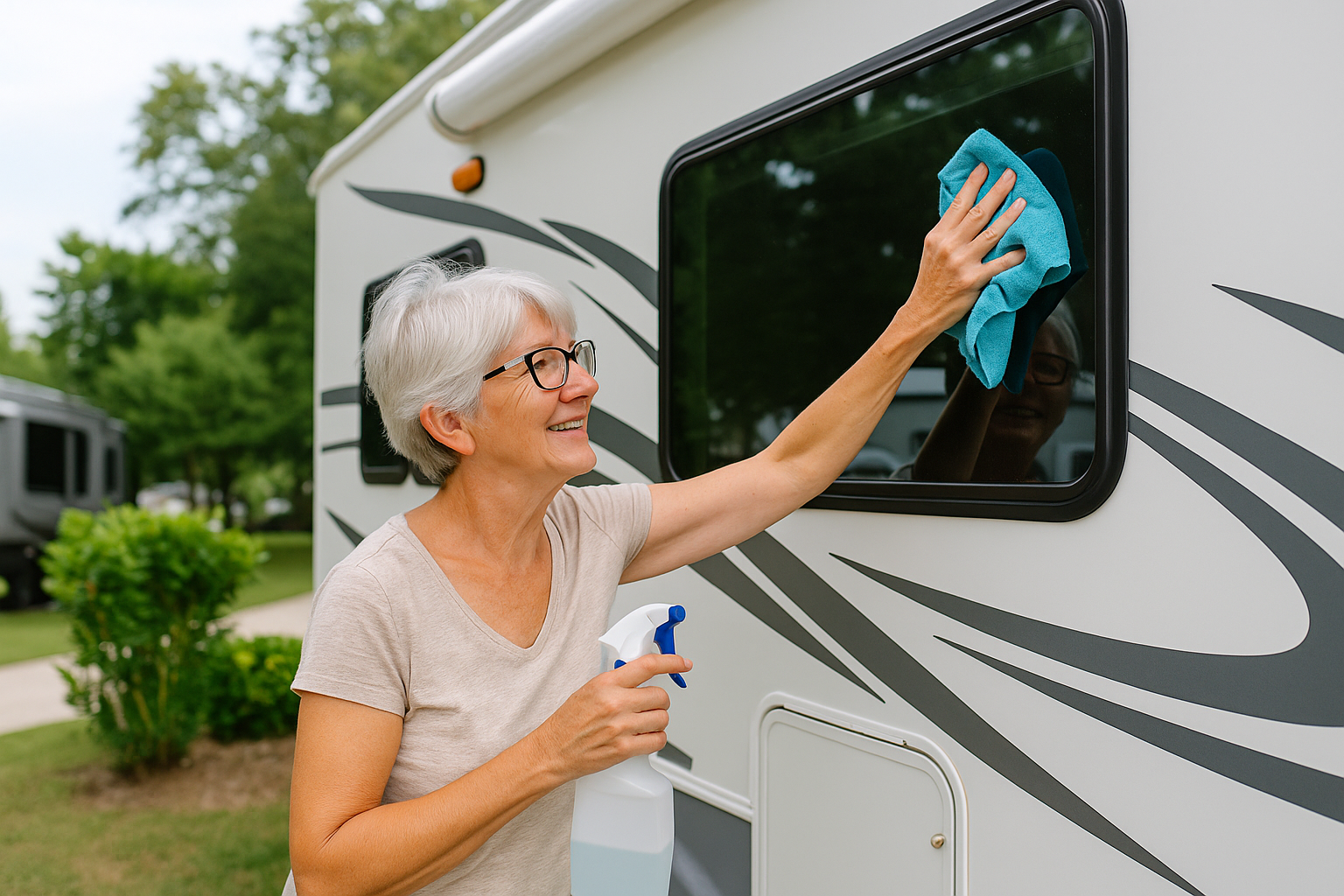
- Cleaning supplies (interior, exterior, and black tank treatments)
While you’re at it, take a hard look at your storage compartments. Over the course of a season, they tend to become black holes for gear you don’t need and gaps where gear you do need goes missing. A fresh repack at the start of the season makes every trip easier.
5. Start the Season with a Short Shakedown Trip
The impulse to plan an epic first trip after months of waiting is completely understandable — but most seasoned RVers will tell you the smarter move is to start small.
A one- or two-night trip within an hour or two of home serves as your proof-of-concept run. You get to:
- Confirm everything you tested at home holds up under real travel conditions
- Shake the rust off your driving and backing skills
- Identify anything you forgot to pack
- Catch any small issues (a rattle, a drip, a system quirk) before they become bigger ones on a longer trip
If something does go sideways on a shakedown trip, you’re close to home and close to help. Think of it less as a compromise and more as smart trip design — and one of the best RV travel tips seasoned campers swear by. It protects every bigger adventure you have planned for the rest of the season.
6. Explore a New Destination This Spring
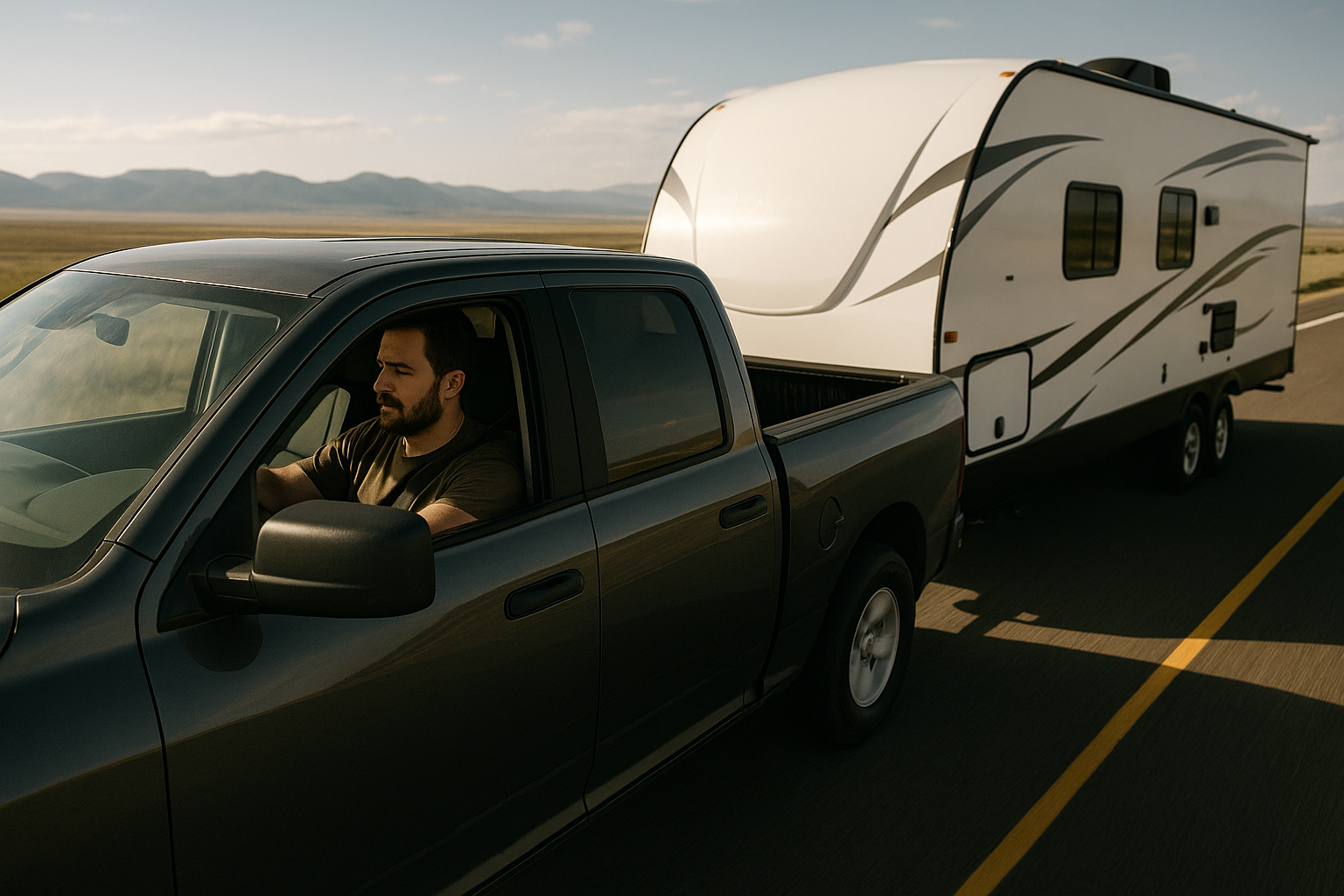
One of the biggest advantages of camping in spring is the opportunity to visit places that are genuinely pleasant in mild weather but overwhelming in July. Temperatures are comfortable, crowds are thinner, and rates at many campgrounds are lower before peak summer season hits.
Spring camping destinations worth exploring in Texas and beyond:
| Destination Type | Why It Works in Spring | What to Expect |
|---|---|---|
| State parks | Wildflowers, mild temps, fewer crowds | Well-maintained sites, easy reservations |
| National forests | Uncrowded trails, lush green scenery | More primitive settings, quieter atmosphere |
| Lakeside campgrounds | Great for kayaking and fishing pre-summer rush | Cooler temps make outdoor activity more comfortable |
| Hill Country, TX | Bluebonnet season peaks March–April | Iconic Texas scenery, wineries, charming small towns |
| Big Bend area | Best visited in spring (summer is brutal) | Stunning desert landscapes, world-class stargazing |
Don’t underestimate the value of just picking somewhere you’ve never been before, even if it’s close to home. New routes and new campgrounds have a way of making the whole experience feel fresh again.
7. Connect with the Campground Community
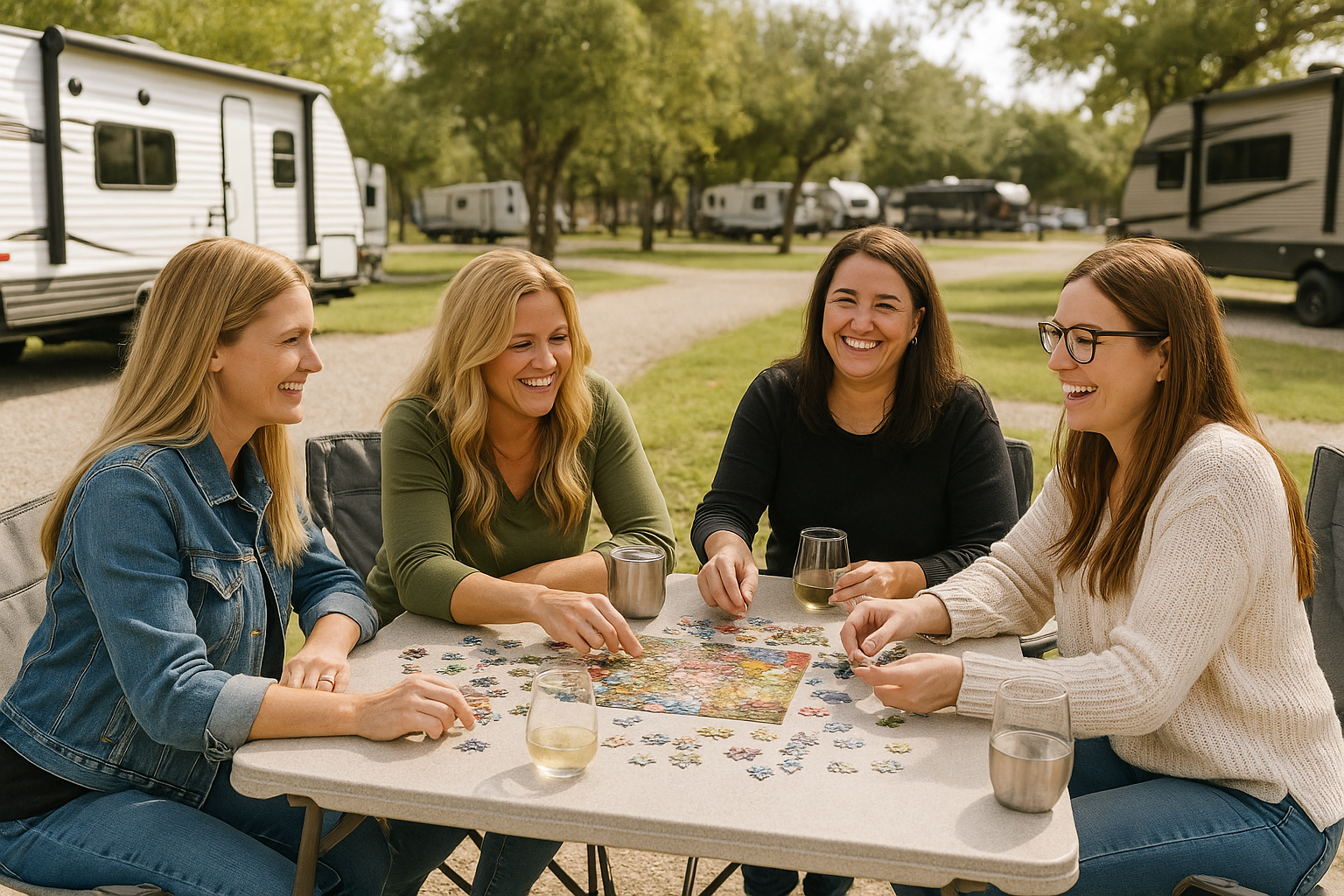
One of the things that separates RV travel from almost any other kind of vacation is the culture around it. Campgrounds are genuinely social places, especially at the start of the season when everyone is energized to be back outside.
Many parks kick off the camping season with organized events — things like:
- Welcome weekend cookouts and potlucks
- Campfire gatherings and s’more nights
- Outdoor movie screenings
- Local festivals in nearby towns
- Organized hikes and group activities
Even if your campground doesn’t have structured events, the informal connections that form around firepits and at camp bathhouses are part of what makes the lifestyle rewarding for so many people. If you’re new to RVing, these moments are some of the fastest ways to pick up RV travel tips, discover new destinations, and feel like you belong to something bigger than just a parking spot with a view.
For ongoing community beyond the campground, RV Depot’s Facebook community group is a great place to connect with other Texas RV owners: https://www.facebook.com/groups/rvlivingcommunity
Put These RV Travel Tips to Work This Camping Season
These RV travel tips exist for one reason: a little preparation at the beginning of the camping season pays dividends for every trip you take after it. The RVers who do the pre-season work — the inspections, the de-winterizing, the appliance checks — are the ones who show up at the campground relaxed instead of stressed, and who actually enjoy the journey instead of white-knuckling through it.
If your spring inspection turns up something that needs professional attention, the service team at RV Depot Supercenter in Cleburne, Texas is here to help. And if this is the year you’ve been thinking about upgrading your rig, there’s no better time to make it happen than right now, before the season is in full swing. Whether you’ve outgrown your current setup, have your eye on a specific floorplan you’ve always wanted, or are simply ready for something newer and more reliable, spring is the sweet spot — inventory is fresh, and you have the whole season ahead of you to enjoy whatever you bring home.
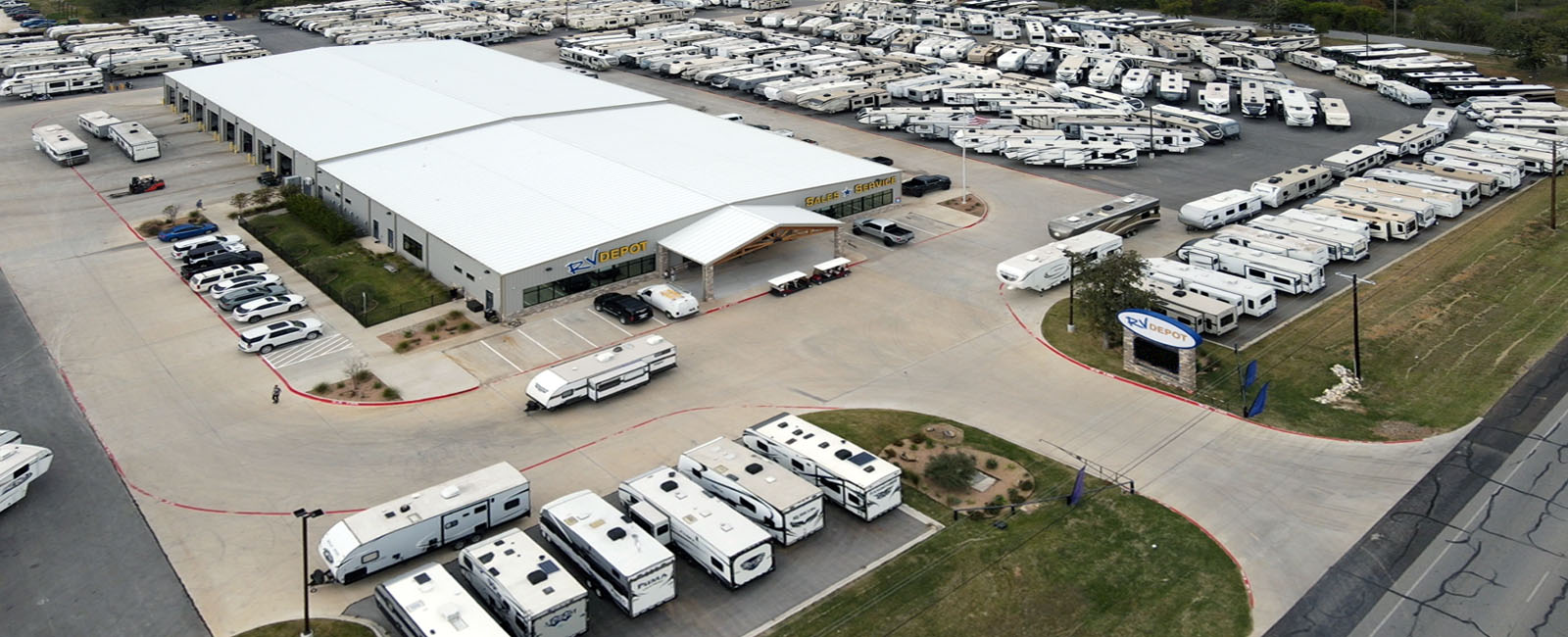
At RV Depot Supercenter in Cleburne, we carry 400+ new and used RVs spread across 20+ acres, including travel trailers, fifth wheels, toy haulers, and motorhomes in a wide range of sizes, styles, and price points. Our team knows RVs because we use them — so whether you have questions about floorplans, towing capacity, or which features are actually worth paying for, you’ll get straight answers from people who genuinely love this lifestyle. Browse our inventory online or come walk the lot and see what’s waiting for you.
Ready to make this your best camping season yet? Visit us at rvdepot.us or call us at
FOLLOW US ON SOCIAL MEDIA


