
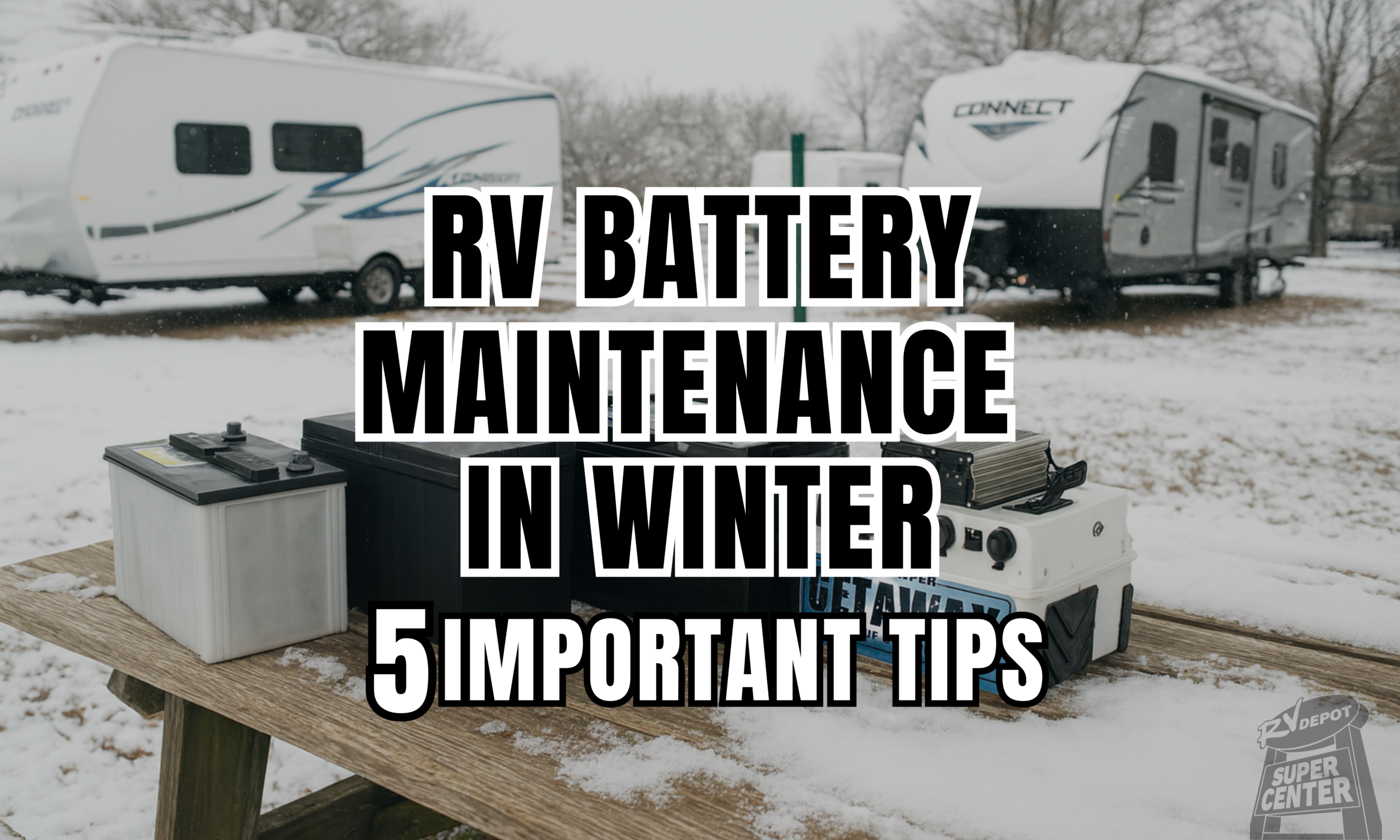
Don’t let a dead battery ruin your winter RV adventures. Proper RV battery maintenance is your shield against winter’s harshest conditions. When temperatures drop, your RV’s power system faces its toughest challenge of the year. Understanding proper RV battery maintenance winter practices means the difference between a smooth camping trip and being stranded in freezing weather.
Cold weather is ruthless on RV batteries. Even a fully charged battery can lose up to 50% of its capacity when temperatures plummet below freezing. But with the right maintenance routine, you can keep your batteries performing reliably all season long.
Why Cold Weather Destroys RV Batteries
Winter transforms your battery chemistry in ways most RV owners don’t realize. Understanding proper RV battery maintenance becomes especially critical when the cold slows down the chemical reactions inside your battery that produce electricity, dramatically reducing available power when you need it most.
Here’s what happens to your RV batteries as temperatures drop:
| Temperature | Battery Capacity Loss |
|---|---|
| 32°F (0°C) | 20% capacity reduction |
| 0°F (-18°C) | 50% capacity reduction |
| -22°F (-30°C) | 60% capacity reduction |
Critical insight: A battery that tests perfectly at 70°F might fail to start your RV at 20°F, even without any underlying damage. The cold itself is the enemy.
Beyond reduced capacity, cold weather also increases the electrical resistance inside your battery. This means your battery has to work harder to deliver the same amount of power, draining it faster and potentially causing permanent damage if it freezes.
5 Essential Winter RV Battery Maintenance Steps
1. Monitor Voltage Levels Weekly
Regular voltage checks are your first line of defense against winter battery failure. This simple RV battery maintenance practice takes less than five minutes but prevents costly emergencies. Invest in a quality digital voltmeter and check your batteries every 7-10 days during winter months.
Voltage benchmarks for 12V batteries:
- 12.6V or higher: Fully charged, excellent condition
- 12.4V: 75% charged, monitor closely
- 12.2V: 50% charged, recharge immediately
- 12.0V or lower: Critically low, risk of sulfation damage
Set a reminder on your phone to check voltage every Sunday morning before you brew your coffee. This simple habit prevents 80% of winter battery failures.
2. Maintain Water Levels in Lead-Acid Batteries
If you’re running traditional flooded lead-acid batteries, winter water level maintenance is non-negotiable. This critical aspect of RV battery maintenance becomes even more important in cold weather, which accelerates water loss through the charging process, and low water levels expose your battery plates to air, causing permanent damage.
How to check and fill battery water:
- Always check when batteries are fully charged (wait 2-3 hours after charging)
- Remove the battery caps and look inside each cell
- Water should cover the plates by approximately ¼ inch
- Use only distilled water—never tap water (minerals damage batteries)
- Don’t overfill—leave ½ inch of space at the top
- Wipe away any spills immediately to prevent corrosion
Pro tip: Mark your calendar to check water levels every 3-4 weeks during winter. If you’re using your RV frequently, check every 2 weeks.
3. Keep Batteries Insulated and Warm
Temperature management is the single most effective RV battery maintenance strategy to preserve battery performance through winter. Your goal is to keep your batteries above 32°F whenever possible.
Effective insulation strategies:
- Battery blankets: Wrap batteries in thermal insulation blankets designed specifically for RV use
- Heated battery boxes: Install battery boxes with built-in heating elements (maintain 40-50°F)
- Insulated compartments: Add foam board insulation to battery compartment walls
- Strategic parking: Park your RV with the battery compartment facing south for solar warming
If your RV is equipped with a heating system, position heat vents near the battery compartment. Even a few degrees of warmth significantly extends battery life and capacity.
4. Implement a Smart Charging Routine
Winter charging requires a different approach than summer maintenance. Smart charging is a cornerstone of effective RV battery maintenance during cold months. Cold batteries accept charge more slowly and need gentle, consistent power rather than rapid charging.
Winter charging best practices:
| Charging Method | Winter Recommendation | Why It Matters |
|---|---|---|
| Trickle charging | Maintain 13.2-13.4V continuously | Prevents self-discharge without overcharging |
| Float charging | Keep at 13.6V when stored | Optimal for long-term winter storage |
| Bulk charging | Charge at 10-15% of battery capacity | Slower charging prevents damage in cold |
| Temperature compensation | Reduce voltage by 0.03V per 10°F below 77°F | Prevents overcharging in cold weather |
Never attempt to charge a frozen battery. If your battery is frozen solid, bring it to room temperature slowly (24-48 hours) before connecting a charger.
5. Clean and Protect Battery Terminals
Corrosion accelerates in winter due to condensation and road salt exposure. Dirty terminals create resistance that reduces charging efficiency and can cause voltage drops that mimic a dead battery. Regular terminal cleaning is an essential RV battery maintenance task that many owners overlook.
Terminal maintenance routine:
- Disconnect cables (negative first, then positive)
- Clean terminals with a wire brush and baking soda solution
- Rinse thoroughly with clean water and dry completely
- Apply terminal protector spray or dielectric grease
- Reconnect cables (positive first, then negative) and tighten securely
Perform this maintenance monthly during winter, or immediately if you notice white or blue-green corrosion building up on your terminals.
Signs Your RV Battery Needs Professional Attention
Even with excellent RV battery maintenance, batteries eventually reach the end of their service life. Watch for these warning signs:
- Voltage drops rapidly after disconnecting from shore power
- Slow cranking when starting your RV engine
- Swollen or bulging battery case (indicates internal damage)
- Battery age exceeds 3-5 years (typical lifespan for RV batteries)
- Frequent need to add water (indicates excessive charging or failing cells)
- Persistent sulfur smell (rotten egg odor indicates overcharging or cell failure)
If you notice any of these symptoms, it’s time for professional testing and likely replacement.
Battery Types: Special Winter Considerations
Different battery technologies have unique winter maintenance requirements:
Flooded Lead-Acid Batteries
- Advantages: Least expensive, proven technology
- Winter challenges: Require water level monitoring, vulnerable to freezing
- Maintenance frequency: Check weekly
AGM (Absorbed Glass Mat) Batteries
- Advantages: Maintenance-free, better cold performance than flooded
- Winter challenges: Still lose 30-40% capacity in extreme cold
- Maintenance frequency: Voltage checks biweekly
Lithium (LiFePO4) Batteries
- Advantages: Maintain 80-90% capacity in cold, longest lifespan
- Winter challenges: Cannot charge below 32°F without battery heaters
- Maintenance frequency: Temperature monitoring essential
Gel Batteries
- Advantages: Sealed, spill-proof, moderate cold tolerance
- Winter challenges: Sensitive to overcharging in cold weather
- Maintenance frequency: Voltage checks biweekly
Essential Tools for RV Battery Maintenance
Invest in these tools for effective winter battery care:
- Digital multimeter: For accurate voltage readings ($20-50)
- Battery hydrometer: Tests specific gravity in flooded batteries ($10-25)
- Terminal cleaner brush: Removes corrosion effectively ($5-15)
- Battery terminal protector spray: Prevents future corrosion ($8-12)
- Portable battery charger: Maintains charge during storage ($50-150)
- Battery blanket or heater: Keeps batteries warm ($30-100)
- Distilled water: For flooded battery maintenance ($1-2 per gallon)
When to Replace vs. Maintain Your RV Batteries
Sometimes maintenance isn’t enough. Replace your batteries if:
- They’re more than 5 years old
- Voltage drops below 10.5V repeatedly
- Physical damage is visible (cracks, bulging, leaks)
- Cold cranking amps drop below 50% of rated capacity
- You’ve experienced multiple dead battery incidents despite maintenance
Cost comparison:
| Battery Type | Replacement Cost | Average Lifespan |
|---|---|---|
| Flooded lead-acid | $100-200 per battery | 3-5 years |
| AGM | $200-400 per battery | 4-7 years |
| Gel | $250-450 per battery | 5-8 years |
| Lithium | $800-1,500 per battery | 10-15 years |
While lithium batteries cost more upfront, their superior winter performance and longevity make them increasingly popular with full-time RVers who face harsh winters.
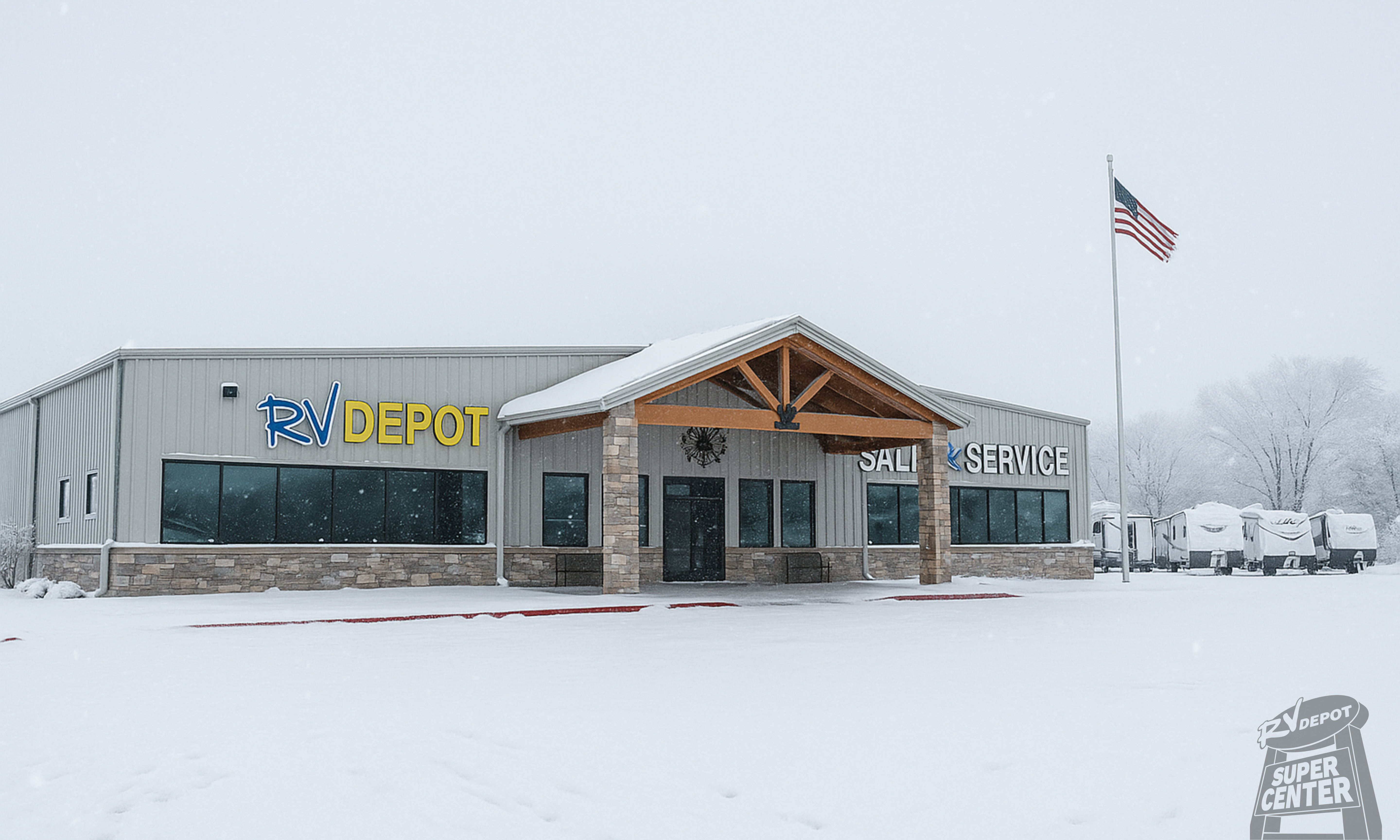
RV Depot Supercenter: Your Winter Battery Headquarters in Cleburne, Texas
Don’t wait until you’re stranded with a dead battery in freezing temperatures. The expert team at RV Depot Supercenter in Cleburne understands the unique challenges Texas winters present for RV batteries, and we’re here to help you stay powered up all season long.
How RV Depot supports your winter battery needs:
- Quality battery selection: Wide inventory of flooded, AGM, gel, and lithium batteries for all RV types
- Expert installation: Professional installation with proper sizing and configuration
- Maintenance supplies: Complete stock of chargers, hydrometers, cleaners, and protection products
- Winter prep services: Comprehensive battery winterization including insulation installation
- Emergency support: Fast service when you need urgent battery replacement
Located Cleburne, RV Depot Supercenter serves the entire Dallas-Fort Worth metroplex with honest advice and competitive pricing on all battery products and services.
Take Action Before Winter Strikes
Battery failure doesn’t just mean inconvenience—it can leave you stranded in dangerous conditions, damage your RV’s electrical system, and cost hundreds in emergency repairs.
Start your winter battery prep today:
- Test your batteries now while temperatures are mild
- Replace aging batteries before they fail at the worst possible time
- Install insulation or heating to protect your investment
- Create a maintenance schedule and stick to it
- Stock essential supplies so you’re never caught unprepared
Remember: proactive maintenance costs pennies compared to emergency repairs or replacement. A $50 investment in a quality battery charger and insulation can save you $500+ in premature battery replacement.
Keep Your Adventures Rolling This Winter
Winter camping offers some of the most beautiful, peaceful experiences RVing has to offer—if your batteries cooperate. With consistent maintenance, proper insulation, and smart charging practices, you’ll enjoy reliable power throughout the coldest months.
The RV owners who never experience dead batteries aren’t lucky—they’re simply proactive about maintenance. Join them by implementing these five essential winter battery care practices starting today.
Need expert advice on winter battery maintenance or ready to upgrade to cold-weather performance batteries? Visit RV Depot Supercenter at 4319 N. Main St in Cleburne, Tx 76033 or call us at . Our experienced team will help you select the perfect battery solution for your RV and ensure you’re prepared for whatever winter throws your way.
Stay powered. Stay adventuring. Stay with RV Depot Supercenter.
